Safety Nets Manufacturer in Mumbai 2026.
Learn about safety nets, their types, uses, and benefits in construction and industrial work. Discover how to choose a reliable safety nets manufacturer in Mumbai for quality products and professional installation from Salamah Nets.
What Is a Safety Nets Manufacturer?
A safety nets manufacturer is a specialized industrial supplier that designs, produces, and tests heavy-duty netting systems used primarily for fall arrest, debris containment, and structural perimeter safety. Operating with high-strength synthetic materials—such as UV-stabilized High-Density Polyethylene (HDPE) or high-tenacity nylon—these manufacturers engineer solutions that can withstand severe impact loads and harsh environmental conditions.
For contractors and builders operating in rapidly developing urban infrastructure, partnering with a local safety nets manufacturer in Mumbai ensures quicker procurement, access to site-specific customizations, and reliable installation support.
Why Are Safety Nets Important in Construction and Industrial Work?
Safety nets serve as a collective passive fall arrest system. Unlike harnesses, which require active user participation, nets provide continuous protection without restricting worker mobility. Their primary benefits include:
- Worker Safety: They act as a critical fail-safe for personnel working at heights, significantly reducing the risk of fatal injuries.
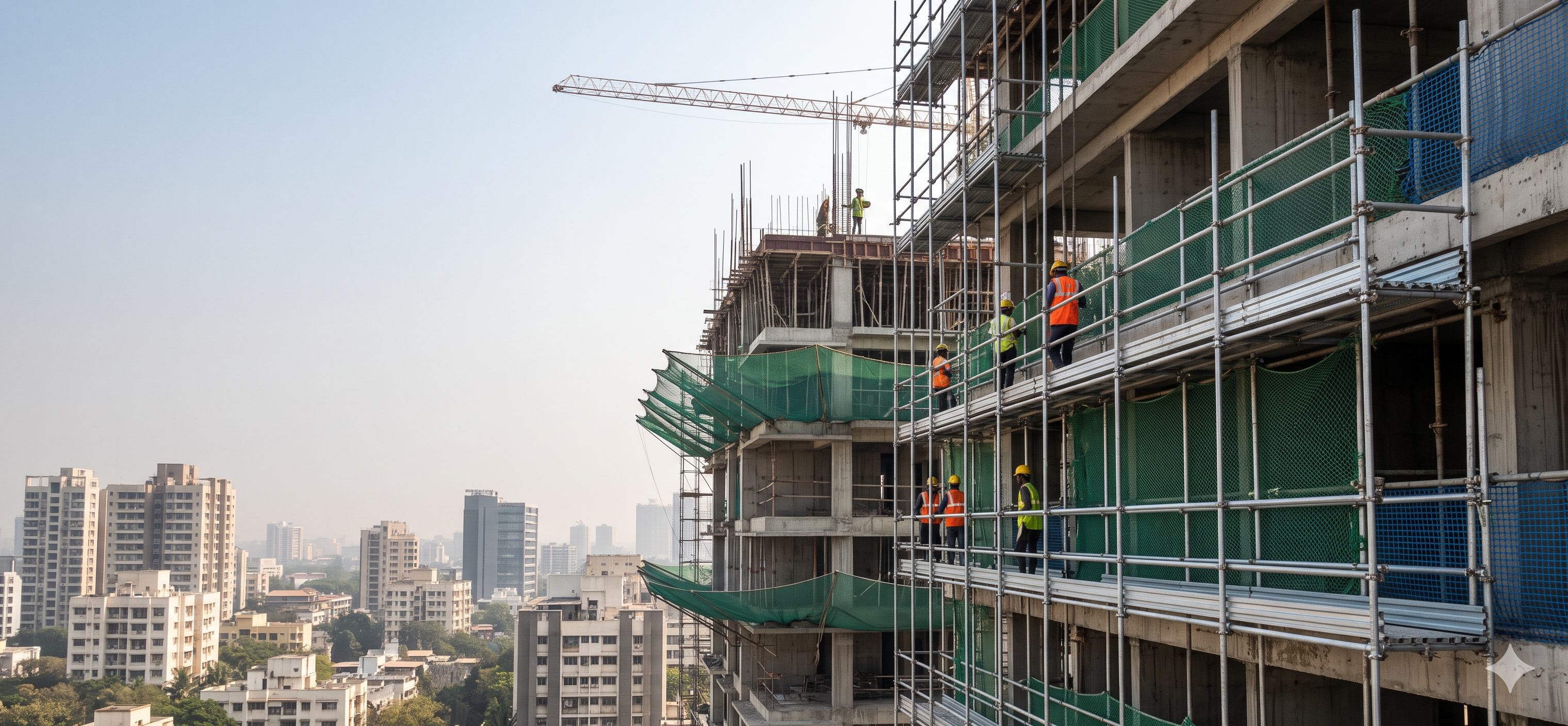
- Material and Debris Containment: Building safety nets catch dropped tools, construction materials, and masonry debris, protecting workers and the public on the ground level.
- Regulatory Compliance: Using industrial safety nets helps site managers comply with occupational health and safety regulations and strict municipal building codes.
- Operational Efficiency: When workers feel secure in their environment, their focus and productivity naturally increase.
Types of Safety Nets and Their Applications
A reputable safety net supplier will offer a variety of specialized netting solutions tailored to different hazards. The most common types include:
1. Fall Protection Nets
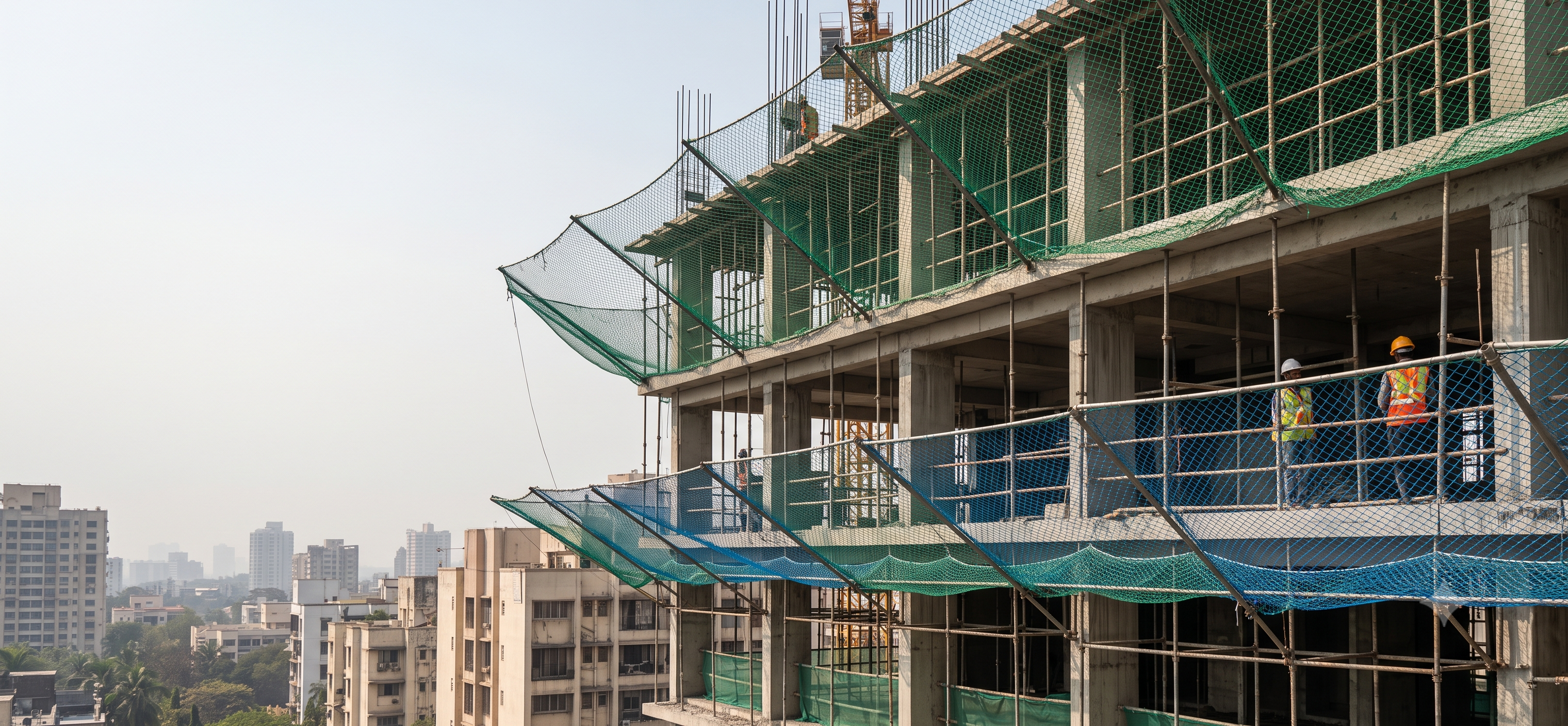
Designed specifically to catch falling personnel, these nets feature high load-bearing capacities and energy-absorbing capabilities. They are rigorously tested to ensure they can sustain the impact of a human body without tearing or causing rebound injuries.
2. Debris Containment Nets
Woven with a much tighter mesh size, debris nets are used to catch small falling objects like tools, bolts, and concrete fragments. They are often installed vertically along scaffolding or horizontally beneath work zones.
3. Scaffold Netting
This lightweight, highly visible netting encloses scaffolding systems. It provides a barrier against wind, reduces dust emission from the site, and keeps loose materials contained within the working platform.
4. Industrial and Custom Safety Nets
Warehouses and manufacturing plants use customized nets to secure pallet racks, cover conveyor belts, and separate hazardous operational zones.
Common Uses of Safety Nets Across Industries
While most commonly associated with commercial high-rises, the applications for safety nets extend across various sectors:
- Civil Construction: High-rise residential buildings, commercial complexes, and stadium construction.
- Infrastructure Maintenance: Bridge repairs, overpass construction, and tunnel maintenance.
- Manufacturing Facilities: Securing overhead storage and preventing inventory from falling off high shelving systems.
- Aviation and Shipping: Cargo securing and maintenance hangars.
How to Choose the Right Safety Nets Manufacturer in Mumbai.
Mumbai's coastal climate and fast-paced construction sector demand robust safety equipment. When evaluating a manufacturer, consider the following criteria:
- Manufacturing Capabilities: Ensure the manufacturer uses virgin, high-quality polymers and advanced weaving technology (such as knotless netting for better impact absorption).
- Turnkey Services: The best suppliers do more than just sell raw materials; they offer professional site inspection, customization, and precise installation services.
- Industry Experience: Look for a manufacturer with a proven track record of supplying complex industrial projects.
Key Factors to Consider Before Purchasing Safety Nets.
Before issuing a purchase order, industrial buyers must evaluate their specific site requirements against the product specifications:
- Material Quality: Ensure the nets are UV-stabilized to withstand prolonged sun exposure without degrading.
- Mesh Size and Twine Thickness: The mesh size must align with the intended use (e.g., smaller mesh for debris, larger reinforced mesh for human fall arrest).
- Safety Standards: Verify that the products comply with relevant safety standards (such as IS or EN certifications) for load capacity and tensile strength.
- Environmental Resistance: Nets should be resistant to moisture, rot, and industrial chemicals.
Why Choose a Reliable Safety Net Manufacturer and Supplier?
Procuring from a trusted manufacturer guarantees that your safety infrastructure will perform exactly as expected during an emergency. Inferior netting compromises site safety and risks severe legal and financial liabilities.
Since 2006, Salamah Nets (S.M. Enterprise) has been a trusted safety nets manufacturer in Mumbai, delivering tailored safety solutions to industrial, commercial, and residential clients. With a comprehensive portfolio ranging from construction safety nets to industrial barrier netting, Salamah Nets provides end-to-end services—from material selection to professional installation by skilled experts.
Stay updated on our latest industrial safety installations and project highlights by following Salamah Nets on Instagram.
Ready to secure your project? Visit Salamah Nets today to request a site assessment or get a customized quote for premium construction safety nets.
Frequently Asked Questions (FAQs)
1. What materials are used to manufacture industrial safety nets?
Most high-quality safety nets are manufactured from High-Density Polyethylene (HDPE) or high-tenacity nylon. These materials offer excellent tensile strength, UV resistance, and durability in harsh weather conditions.
2. How long do construction safety nets typically last?
When manufactured with UV stabilizers and installed correctly, quality safety nets can last between 3 to 5 years, depending on the severity of environmental exposure and site wear-and-tear.
3. What is the difference between fall protection nets and debris nets?
Fall protection nets are engineered with heavy-duty twine and larger mesh sizes to catch falling workers and absorb heavy impact. Debris nets have a tighter, smaller mesh designed to catch lightweight objects like falling tools and masonry fragments.
4. Do you provide installation services for building safety nets?
Yes. A comprehensive safety net supplier like Salamah Nets provides professional installation services, ensuring the nets are anchored securely and tensioned correctly according to safety guidelines.
5. How do I determine the right mesh size for my project?
The right mesh size depends on the specific hazard you are mitigating. An expert manufacturer will assess your site and recommend the appropriate dimensions based on whether you need personnel fall arrest or fine material containment.