
.png)
Packaging Net vs. Packaging Tarpaulin.
Understand the key differences between packaging nets and tarpaulins. Compare their uses, benefits, and features to choose the right solution for safe cargo handling and transport.
When you are preparing goods for transport or storage, choosing the right outer covering is critical. If you use the wrong material, you risk severe moisture damage, shifting pallets, and ruined inventory. In 2026, the two most common choices for securing and protecting bulk goods are the Packaging Net and the packaging tarpaulin.
While both are used to cover cargo, they serve entirely different purposes. In this guide, we will break down the strengths of each option, compare their practical applications, and help you decide which material your logistics operation actually needs.
What is a Packaging Net?
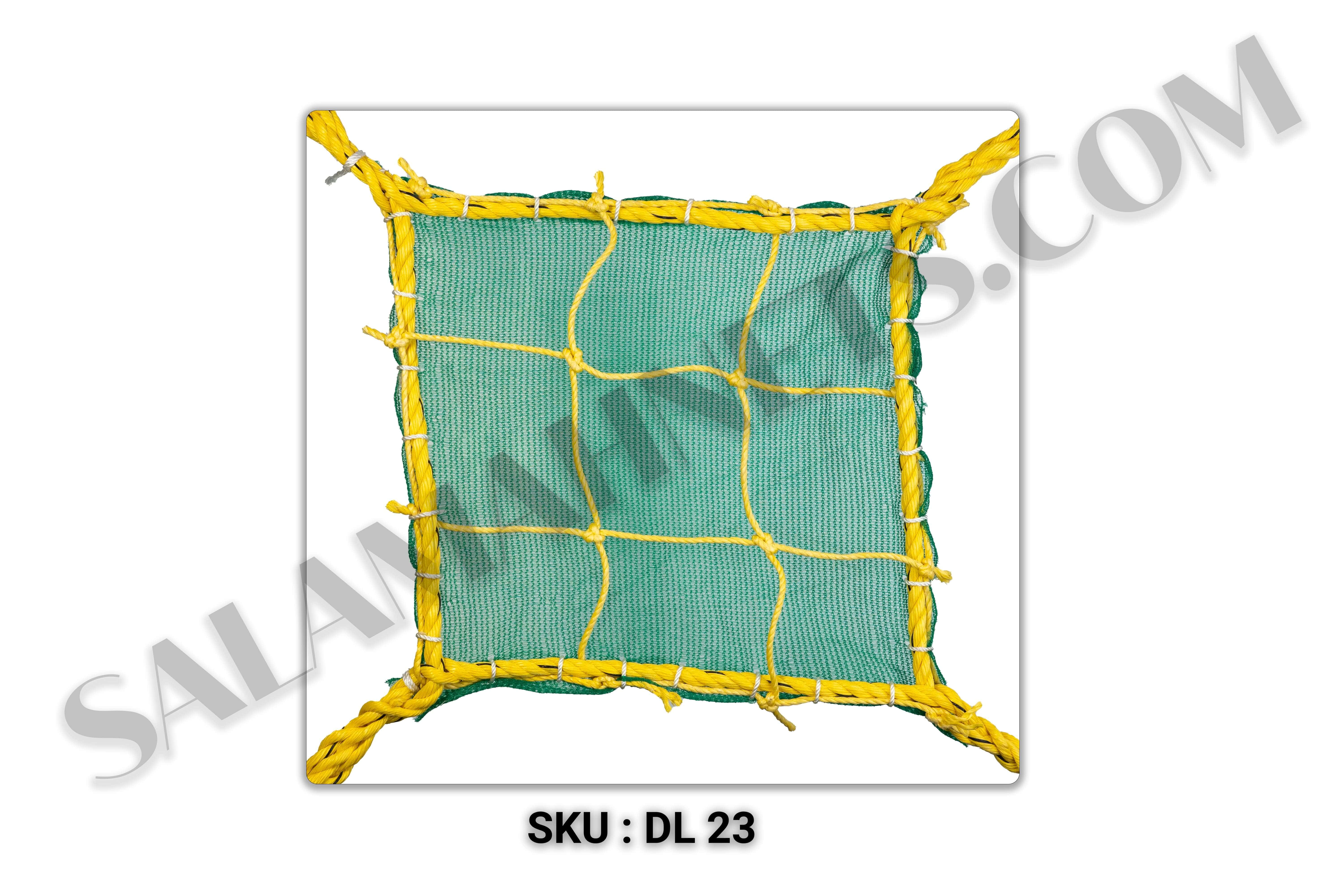
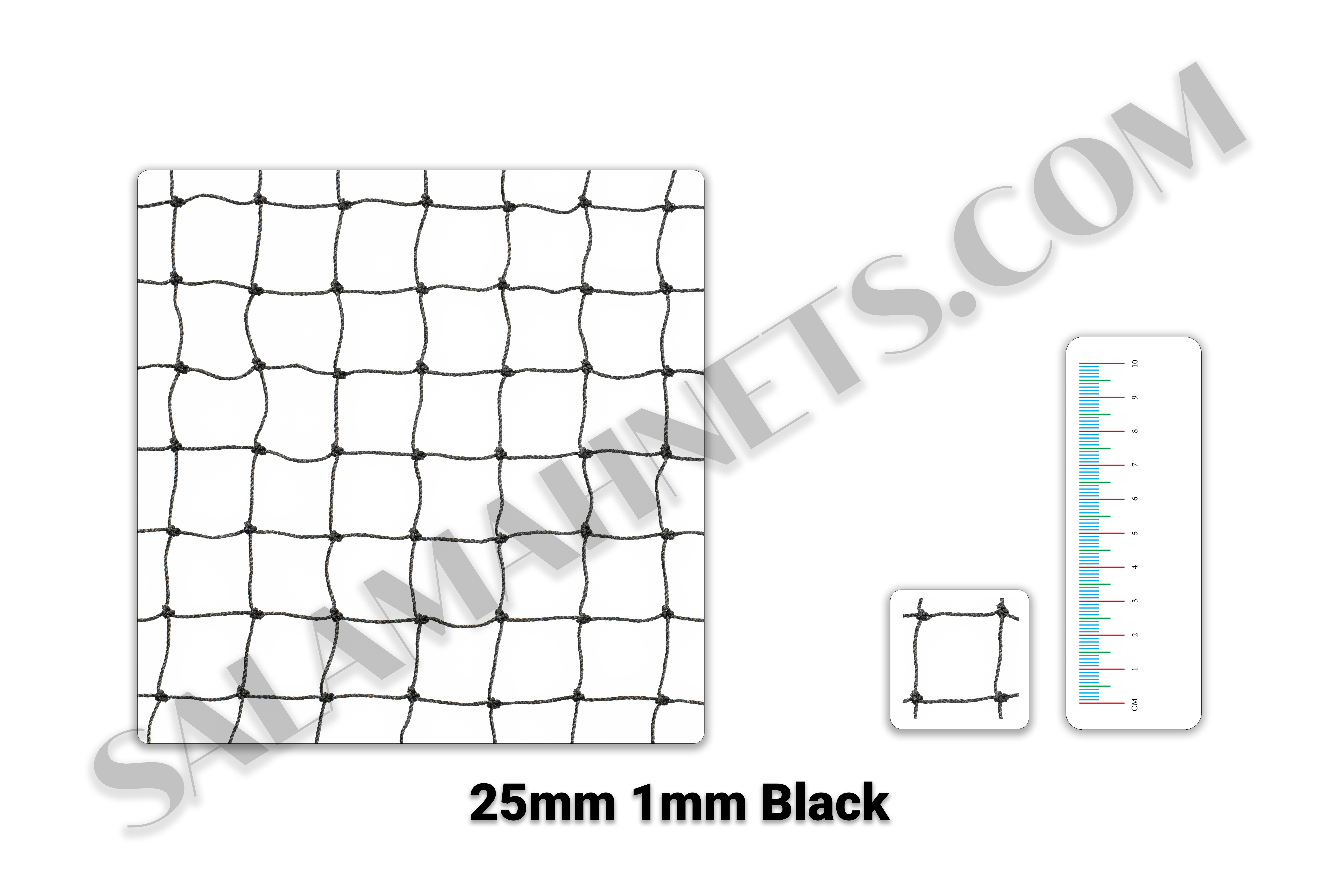
A Packaging Net is an open-mesh grid typically made from high-strength synthetic materials like High-Density Polyethylene (HDPE) or polypropylene (PP). Rather than forming a solid sheet, it is woven or knotted into a flexible web.
The primary job of a packaging net is containment and stabilization. They are heavily utilized in the logistics, agricultural, and construction sectors to tightly bind odd-shaped items or secure stacked boxes onto pallets.
Key Benefits of a Packaging Net:
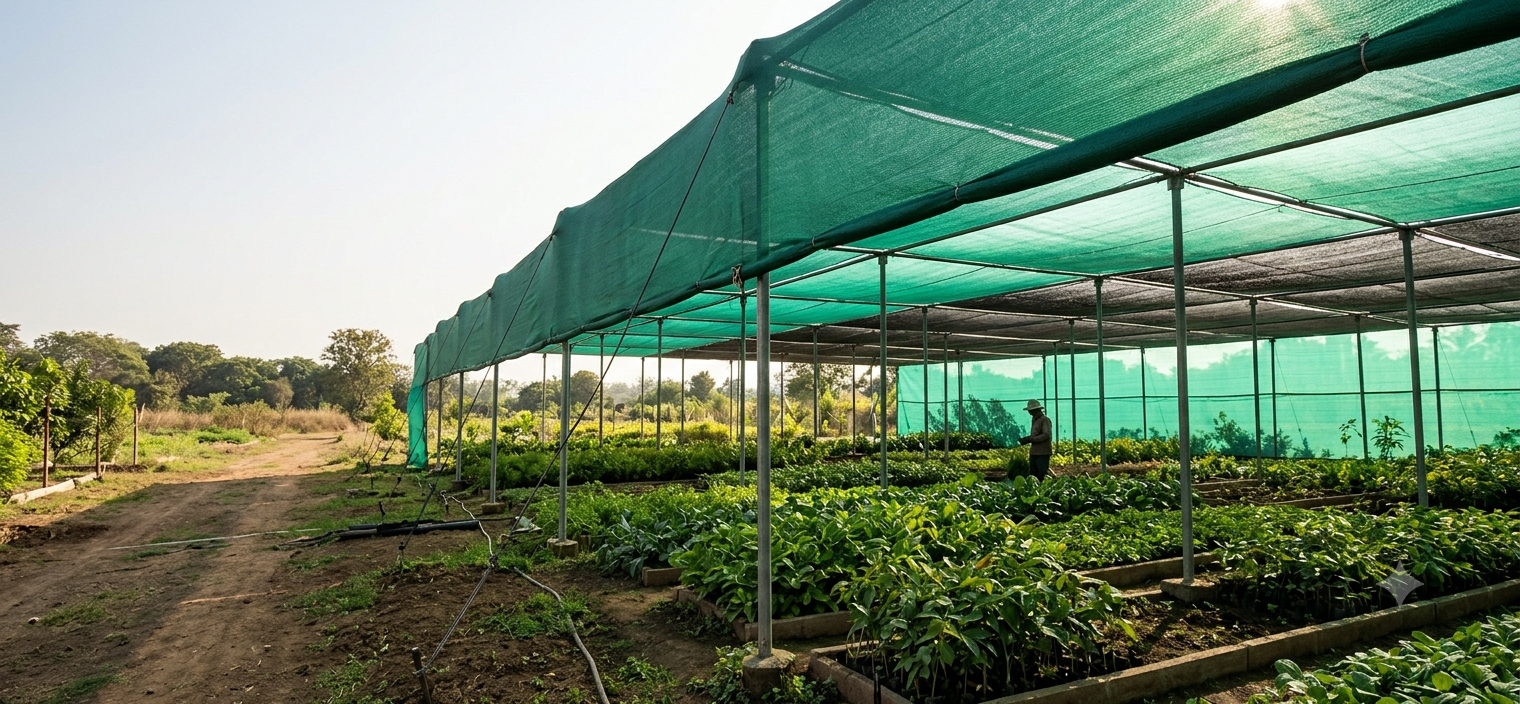
- Maximum Breathability: Because of the open mesh, air flows freely around the goods. This is crucial for agricultural products (like fruits or vegetables) and wood, where trapped moisture leads to rapid mold and rotting.
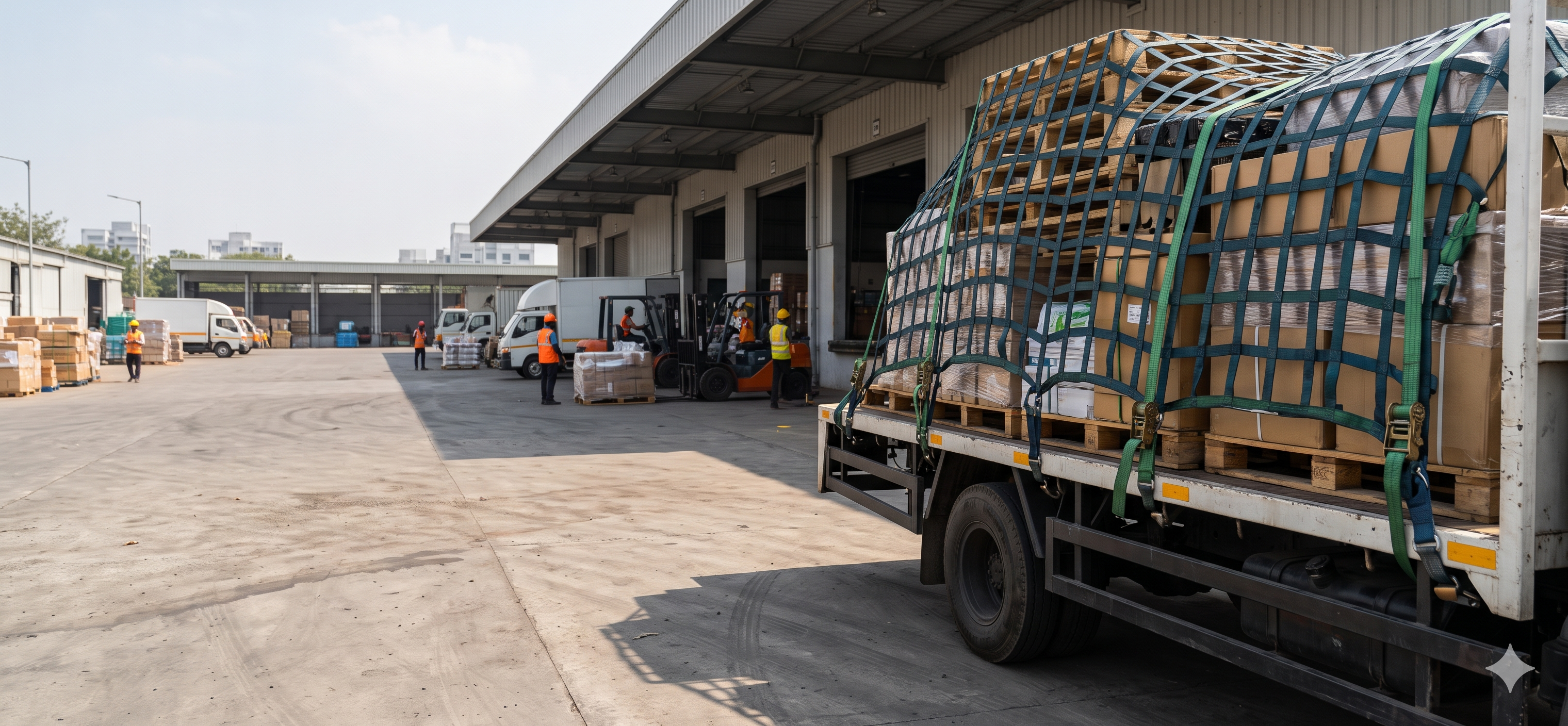
- Superior Load Securing: A heavy-duty packaging net stretches and conforms exactly to the shape of the load. This prevents items on a pallet from shifting or toppling over during transit.
- Lightweight & Easy to Handle: Nets are significantly lighter than thick tarpaulins, making them faster to deploy and easier for warehouse staff to manage.
What is a Packaging Tarpaulin?
A packaging tarpaulin (often called a tarp) is a large, solid sheet of waterproof material. In industrial settings, these are usually made from heavy-duty PVC or coated polyethylene.
Unlike nets, a tarpaulin’s main job is total environmental protection. They are designed to create a solid barrier between your goods and the outside world.
Key Benefits of a Packaging Tarpaulin:
- 100% Waterproofing: Tarps completely block rain, snow, and road spray. If you are transporting cement, electronics, or cardboard boxes on an open flatbed, a solid tarp is non-negotiable.
- Dust and Dirt Protection: A solid sheet prevents fine road dust, dirt, and debris from settling on sensitive cargo.
- UV Protection: High-quality tarps are treated to block harsh UV rays, preventing sun damage and fading on the products hidden underneath.
Head-to-Head Comparison: Net vs. Tarpaulin
To help you choose, here is how the two materials stack up in practical logistics scenarios:
| Feature | Packaging Net | Packaging Tarpaulin |
| Airflow / Ventilation | Excellent; prevents mold and condensation. | Poor; traps moisture and creates condensation (unless specially vented). |
| Water & Rain Protection | None; rain passes straight through. | Excellent; 100% waterproof barrier. |
| Load Stabilization | High; grips and conforms to uneven shapes to prevent shifting. | Low; acts as a cover, but does not provide strong structural tension. |
| Wind Resistance | Excellent; wind passes through, preventing the "parachute" effect. | Poor; catches wind heavily, requiring extreme tie-down strength. |
| Best Used For | Agricultural goods, securing pallets, preventing shifting, construction debris. | Electronics, cement, dry goods, protecting cardboard from rain. |
Which Should You Choose in 2026?
The decision between a Packaging Net and a tarpaulin comes down to what you are trying to achieve: containment or protection from the elements.
- Choose a Packaging Net if: Your main goal is to stop goods from shifting or falling during transport, or if your goods need to "breathe" to stay fresh. For example, a pallet containment net is the perfect choice for securing a stack of plastic crates that won't be damaged by rain.
- Choose a Packaging Tarpaulin if: Your goods will be ruined by water, dust, or direct sunlight. If you are hauling dry cement on an open truck, a waterproof tarp is the only option.
Pro Tip: In many heavy logistics operations, businesses use both. They will use a cargo securing net over a load to stabilize it, and then place a waterproof tarpaulin over the top to keep the rain out.
Source Durable Packaging Solutions from Salamah Nets.
Whether you need maximum airflow for agricultural transport or extreme tension for pallet stabilization, the quality of your netting determines the safety of your goods. As an experienced packaging net supplier, Salamah Nets manufactures industrial-grade, UV-stabilized containment solutions built for demanding logistics environments.
We provide customizable mesh sizes and heavy-duty materials designed to keep your cargo secure from the warehouse to the destination.
Ready to improve your load security? Contact our team today to discuss your transport requirements and find the perfect netting solution for your fleet:
For the latest product updates and logistics safety tips, follow Salamah Nets on Instagram: https://www.instagram.com/salamah.nets/.
Conclusion
Choosing between a Packaging Net and a packaging tarpaulin in 2026 is a matter of understanding your cargo's vulnerabilities. If your priority is securing uneven loads, preventing shifting, and allowing vital airflow, a high-quality packaging net is the superior choice. If you must block rain and road dust at all costs, a tarpaulin is necessary. By evaluating your specific transport needs, you can equip your fleet with the right materials, ensuring your goods arrive safely, securely, and in perfect condition.
FAQs:
- Can a packaging net keep my goods dry in the rain?
No, a packaging net features an open mesh design. It allows rain, air, and sunlight to pass straight through. Its purpose is to physically secure the load, not to waterproof it. For rain protection, a solid tarpaulin is required.
- Is a tarpaulin better than a net for securing a load?
Generally, no. While a heavy tarpaulin provides some downward pressure, it does not stretch and conform to the cargo like a cargo securing net does. Tarpaulins catch the wind and flap, whereas nets provide high-tension structural support to stop items from shifting.
- Why use a packaging net for agricultural goods?
Agricultural goods like fruits, vegetables, and live plants need to breathe. If you cover them with a solid tarpaulin, moisture becomes trapped, leading to rapid rotting and mold growth. An agricultural packaging net secures the load while allowing essential airflow.
- Can I use a net and a tarpaulin together?
Yes, this is a very common practice in heavy logistics. Drivers will often secure an uneven load tightly with a heavy-duty packaging net to prevent movement, and then cover the entire secured load with a waterproof tarpaulin to protect it from the weather.
- How do I choose the right mesh size for a packaging net?
The mesh size (the gaps in the net) must be smaller than the smallest item you are transporting. If you are securing large boxes on a pallet, a 50mm mesh is sufficient. If you are securing loose gravel or small debris, you need a much finer, tighter mesh.
.png)
.png)
.png)
.png)


.png)