.png)
Temporary Monsoon Shed in Mumbai Guide 2026.
Discover the different types of temporary monsoon sheds, tarpaulin materials, uses and installation costs in Mumbai. Learn how to choose durable, waterproof shed solutions to protect your inventory, vehicles and construction materials during heavy rains.
Mumbai’s monsoon is famous for its intensity and prolonged heavy downpours. For businesses, contractors, and property owners, these four months of relentless rain pose a severe threat to inventory, ongoing construction projects, and outdoor equipment. The most effective way to safeguard your assets without committing to permanent, expensive civil structures is by erecting a Temporary Monsoon Shed.
Whether you are covering a commercial warehouse loading bay, a residential society parking lot, or a large-scale construction site, utilizing the right protective covering is essential to prevent water damage and operational downtime. In this comprehensive guide, we will explore the different types of temporary sheds, the tarpaulin materials used to build them, and the key factors that influence the overall Temporary Monsoon Shed Cost in Mumbai.
What Is a Temporary Monsoon Shed?
A Temporary Monsoon Shed is a non-permanent structural framework—typically made of steel pipes, bamboo, or wooden poles—covered entirely by a large, durable sheet of waterproof material. Its primary purpose is to shield open areas, materials, and personnel from heavy rain, strong winds, and moisture.
Because these structures do not require deep foundations or permanent masonry work, they can be erected quickly before the monsoon season begins and dismantled easily once the dry season returns. They serve as a reliable, cost-effective solution for creating temporary outdoor and industrial spaces that remain fully operational during severe weather.
Why Are Temporary Monsoon Sheds Important During Mumbai's Monsoon?
The high volume of rainfall in Maharashtra makes open-air operations nearly impossible from June to September. Installing a Temporary Rain Shelter is an operational necessity for several critical reasons:
- Protection from Heavy Rainfall: It provides an immediate, impermeable barrier against torrential rain, preventing flooding in designated work zones.
- Covering Outdoor Storage Areas: Businesses with limited indoor warehouse space rely on these sheds to keep bulk inventory, cardboard packaging, and finished goods completely dry.
- Protection for Construction Materials: Cement hardens and steel rusts when exposed to moisture. A shed ensures expensive raw materials remain usable.
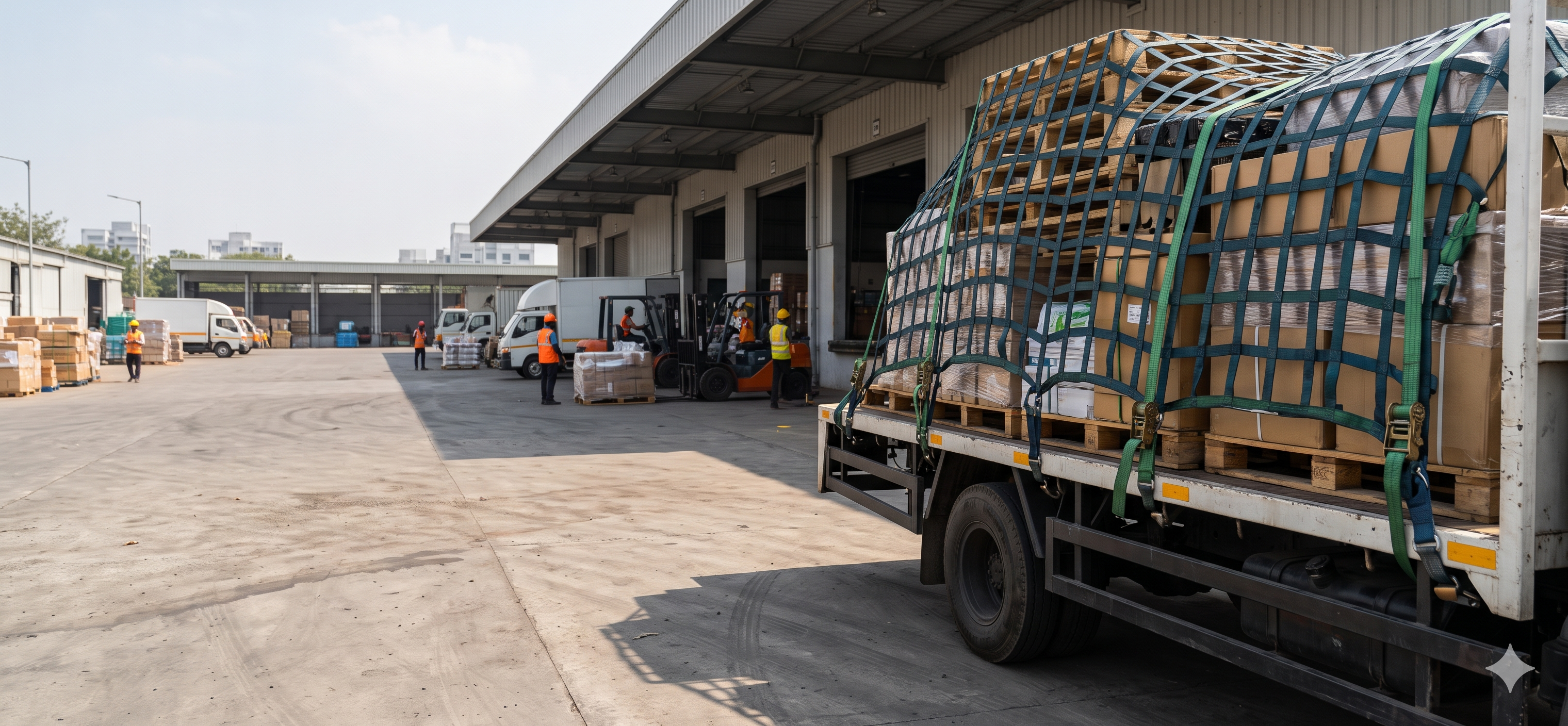
- Temporary Shelter for Loading and Unloading Areas: A well-built shed allows logistics and supply chain operations to continue uninterrupted, ensuring trucks can be loaded without water damaging the cargo.
- Protection for Vehicles, Equipment, and Workspaces: From expensive industrial machinery left outdoors to employee parking areas, these structures prevent waterlogging and mechanical breakdowns.
Different Types of Temporary Monsoon Sheds
Depending on your specific industry and site requirements, temporary sheds can be constructed in several different formats:
- Tarpaulin-Covered Sheds: The most common and versatile option. These utilize a basic frame covered by a high-strength Tarpaulin Shed cover. They are highly adaptable to almost any shape or size.
- Temporary Metal-Frame Sheds: Built using galvanized iron (GI) pipes or steel scaffolding, these provide superior structural integrity against high-speed monsoon winds.
- Industrial Storage Sheds: Large-span, high-clearance structures designed to allow forklifts and commercial trucks to maneuver inside while keeping goods dry.
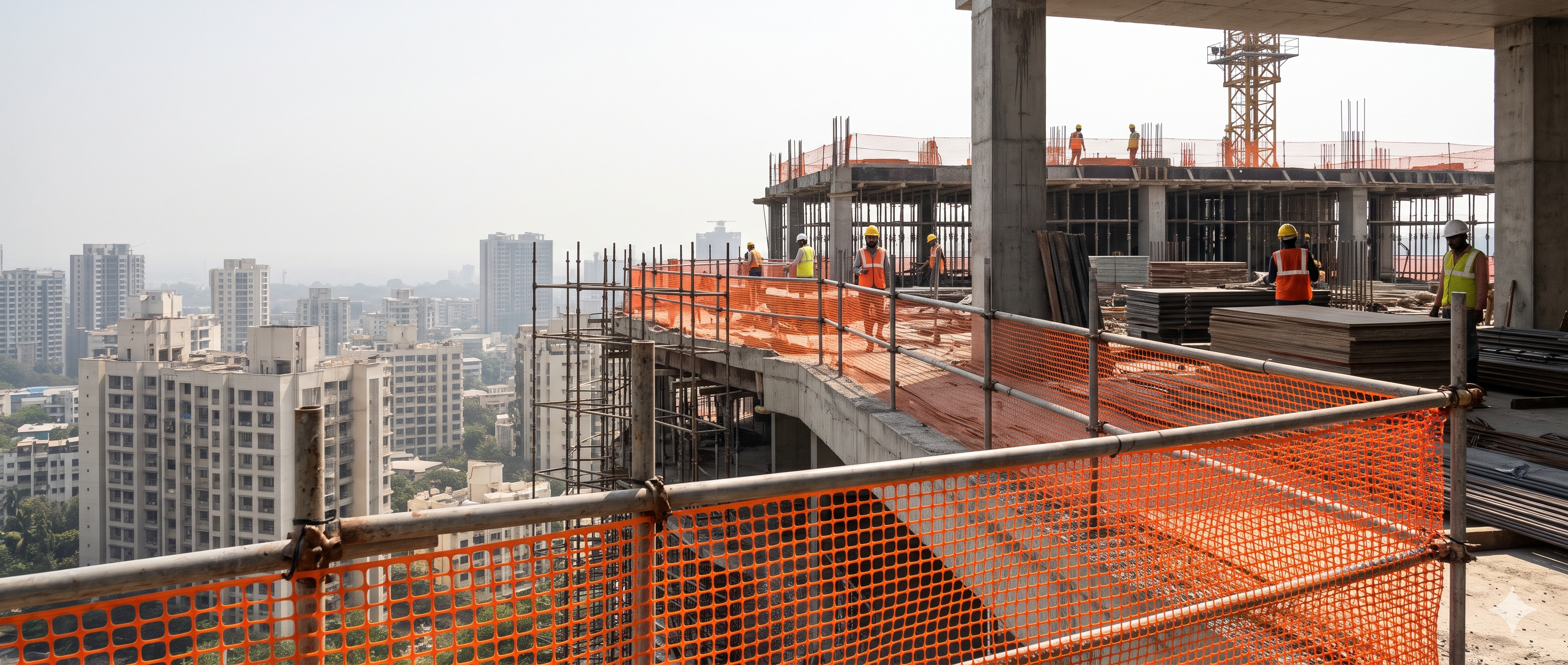
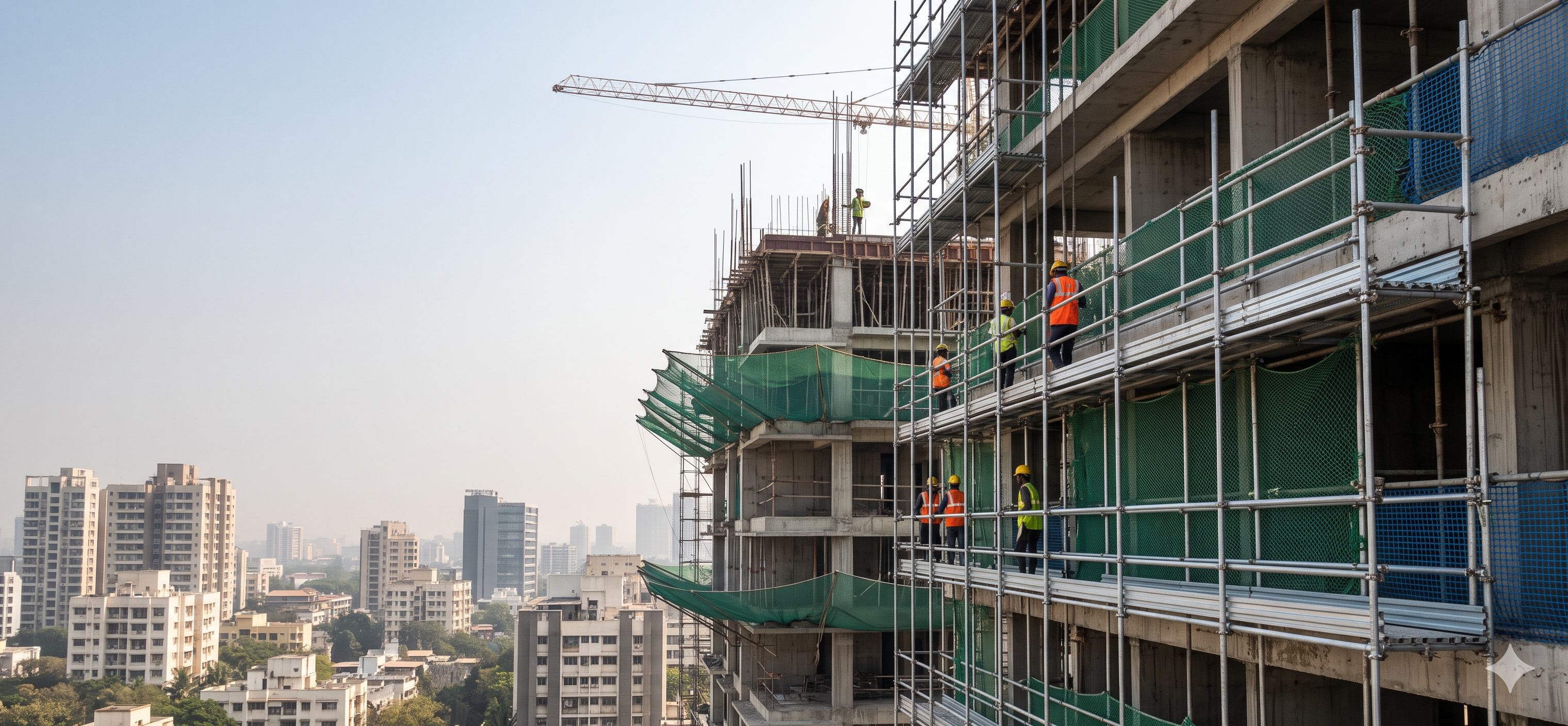
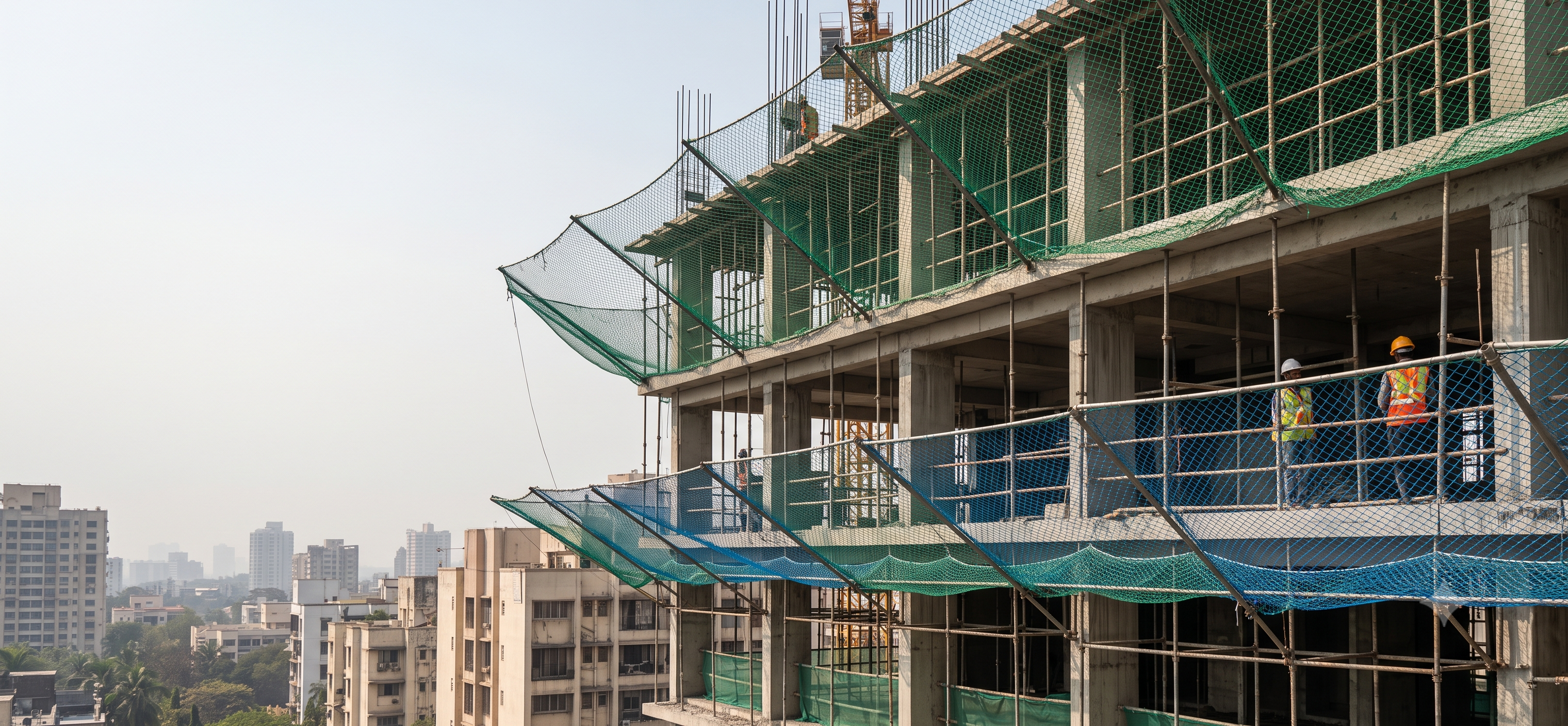
- Construction-Site Monsoon Sheds: Often erected directly over active excavation sites, concrete pouring zones, or material stockpiles to keep the building process moving forward despite the rain.
- Temporary Parking and Outdoor Covering Structures: Smaller, specifically pitched setups used in residential societies or commercial complexes to protect cars and two-wheelers.
Types of Tarpaulin Used for Monsoon Sheds
The success of any Temporary Tarpaulin Shed depends entirely on the quality of the covering material. Using thin or low-grade plastic will result in tears and leaks during the first major storm. Here are the standard options available:
- HDPE Tarpaulin: High-Density Polyethylene tarpaulins are lightweight, highly affordable, and widely used for general monsoon protection. They are woven for tear resistance and laminated on both sides for waterproofing.
- PVC Tarpaulin: Polyvinyl Chloride tarps are much thicker and feel rubberized. They offer extreme durability, superior UV resistance, and 100% waterproofing, making them the top choice for heavy industrial applications.
- Waterproof Tarpaulin Sheets: Any sheet used for a shed must be explicitly rated as waterproof, featuring heat-sealed joints rather than stitched seams, ensuring no water seeps through the pinholes.
- Heavy Duty Tarpaulin: Rated by GSM (Grams per Square Meter). For Mumbai's monsoon, a higher GSM (ranging from 200 GSM to over 400 GSM) is required to withstand the weight of heavy, pooling water and gale-force winds.
Temporary Monsoon Shed Cost in Mumbai.
A frequent question from contractors and facility managers is regarding the exact Temporary Monsoon Shed Cost in Mumbai. Because these structures are highly customized to the site, there is no fixed, universal price. The final quotation depends on several specific variables:
- Shed Dimensions and Covered Area: The total square footage (length, width, and height) directly dictates the volume of materials required.
- Tarpaulin Material and GSM: An Industrial Tarpaulin Shed built with thick, 400 GSM PVC material will cost more upfront than one using a lighter 150 GSM HDPE sheet, though it provides vastly superior longevity.
- Frame Material and Structural Design: Bamboo structures are cost-effective but offer a shorter lifespan. Steel or GI pipe frames increase the structural cost but provide immense stability.
- Installation Height and Site Conditions: Erecting a shed on a flat ground-level parking lot is much simpler and cheaper than building a multi-story high shed on a cramped construction site.
- Labour and Fitting Requirements: Proper Monsoon Shed Installation requires skilled riggers to ensure proper tension, secure anchoring, and sloped roofing to prevent water accumulation.
- Customisation and Additional Accessories: Adding side walls, reinforced eyelets, heavy-duty lashing ropes, and custom-cut dimensions will affect the final price.
- Project Duration and Maintenance Requirements: Some high-quality materials can be stored and reused for multiple monsoon seasons, offering better long-term ROI.
How to Choose the Right Temporary Monsoon Shed
To ensure your investment provides adequate protection, evaluate your requirements based on the following criteria:
- Rain Protection Requirements: Assess how sensitive your goods are. Electronics and cement require absolute, zero-leak protection (heavy PVC), while basic scrap metal may only need light coverage.
- Tarpaulin Quality and Thickness: Always check the GSM rating. Do not compromise on thickness if the shed is exposed to direct, heavy coastal winds.
- Covered Area and Dimensions: Ensure the shed extends slightly beyond the actual storage footprint to prevent sideways rain from entering.
- Frame Strength and Stability: Choose a frame that matches the wind load of your specific location in Mumbai.
- Water Drainage Arrangements: A flat roof will collect water and collapse under the weight. Ensure the design has a sufficient slope (pitch) to channel water safely away from the site.
- Installation and Maintenance Requirements: Ensure the tarpaulin features strong, reinforced eyelets for secure tying and easy adjustment.
- Budget and Intended Usage Period: Decide if you need a one-season disposable cover or a multi-year asset.
Applications of Temporary Monsoon Sheds
The versatility of these structures makes them indispensable across various sectors in Mumbai:
- Construction Sites: Covering active workspaces, cement bags, and steel rebars.
- Warehouses and Factories: Extending storage capacity into outdoor yards during peak production.
- Outdoor Storage Areas: Protecting agricultural produce, timber, or commercial cargo.
- Parking Spaces: Providing temporary covered parking for commercial fleets or residential vehicles.
- Loading and Unloading Zones: Keeping the supply chain dry while moving goods between trucks and warehouses.
- Commercial and Industrial Premises: Creating temporary dry walkways, event spaces, or equipment housing.
Why Choose Salamah Nets for Monsoon Protection Solutions?
Sourcing the right materials is the most critical step in building a resilient monsoon shed. As a trusted Tarpaulin Manufacturer and highly experienced Tarpaulin Supplier in Mumbai, Salamah Nets provides industrial-grade protective solutions designed to withstand extreme weather conditions.
We supply high-quality HDPE and PVC tarpaulins featuring reinforced edges, heat-sealed joints, and rust-proof eyelets. Whether you are a warehouse manager looking for a heavy-duty cover or a contractor needing bulk waterproof sheets for a construction site, Salamah Nets offers materials in various dimensions, GSM thicknesses, and custom sizes. By sourcing directly from a reliable manufacturer, you ensure that your temporary structures are covered with genuine, long-lasting, and fully waterproof materials.
Contact Salamah Nets for Temporary Monsoon Shed Requirements
Prepare your site before the heavy rains arrive. Ensure your materials, workforce, and inventory remain safe, dry, and fully operational throughout the season.
Contact our team today to discuss your tarpaulin specifications, request custom sizes, and inquire about material pricing for your commercial and industrial requirements.
For the latest product updates, industrial covering solutions, and material showcases, follow Salamah Nets on Instagram: https://www.instagram.com/salamah.nets/.
Frequently Asked Questions
1. What is a temporary monsoon shed?
A temporary monsoon shed is a non-permanent structure, typically made of a bamboo or metal frame covered with a heavy-duty waterproof tarpaulin. It is erected to protect outdoor areas, goods, and personnel from heavy rainfall and strong winds during the monsoon season.
2. How much does a temporary monsoon shed cost in Mumbai?
The overall cost varies significantly based on the total area being covered, the structural frame material (steel vs. bamboo), the GSM (thickness) of the tarpaulin used, and the complexity of the installation site.
3. Which tarpaulin is best for monsoon protection?
For ultimate durability and 100% water resistance, heavy-duty PVC tarpaulin is considered the best for industrial and long-term use. For more cost-effective, standard commercial applications, high-GSM HDPE tarpaulins are highly effective and widely used.
4. Are temporary tarpaulin sheds waterproof?
Yes. When built using high-quality, high-GSM tarpaulin sheets with heat-sealed (not stitched) joints and a properly sloped roof design, temporary tarpaulin sheds are completely waterproof and capable of handling Mumbai’s heaviest rains.
5. Where can temporary monsoon sheds be used?
They are highly versatile and are used at construction sites, industrial warehouse loading bays, outdoor raw material storage yards, residential parking lots, and commercial loading/unloading zones.
6. How do I choose the right tarpaulin thickness?
Thickness is measured in GSM (Grams per Square Meter). For light, short-term coverage, 150-200 GSM may suffice. For heavy monsoon protection in coastal or windy areas, choosing a Heavy Duty Tarpaulin ranging from 250 GSM to over 400 GSM is highly recommended to prevent tearing.
7. Can temporary monsoon sheds be made in custom sizes?
Yes. Because they are built on-site, the structural frames can be tailored to any dimension. Furthermore, reliable manufacturers can provide custom-cut and heat-sealed tarpaulins to perfectly match the specific length and width of your facility's requirements.
8. How long can a temporary monsoon shed be used?
While the frame and tarpaulin are designed to last through the 3 to 4 months of the monsoon season, high-quality steel frames and heavy-duty PVC covers can be dismantled, stored safely, and reused for multiple consecutive years.
.png)
.png)
.png)